Resolution
An exhibition · Institute for Image Studies · 14 March – 2 August 2026
Every image you have ever seen of a Renaissance painting is a copy of a copy. This exhibition is about what survives that journey — and what a picture becomes when the last machine to touch it can only say black or white.
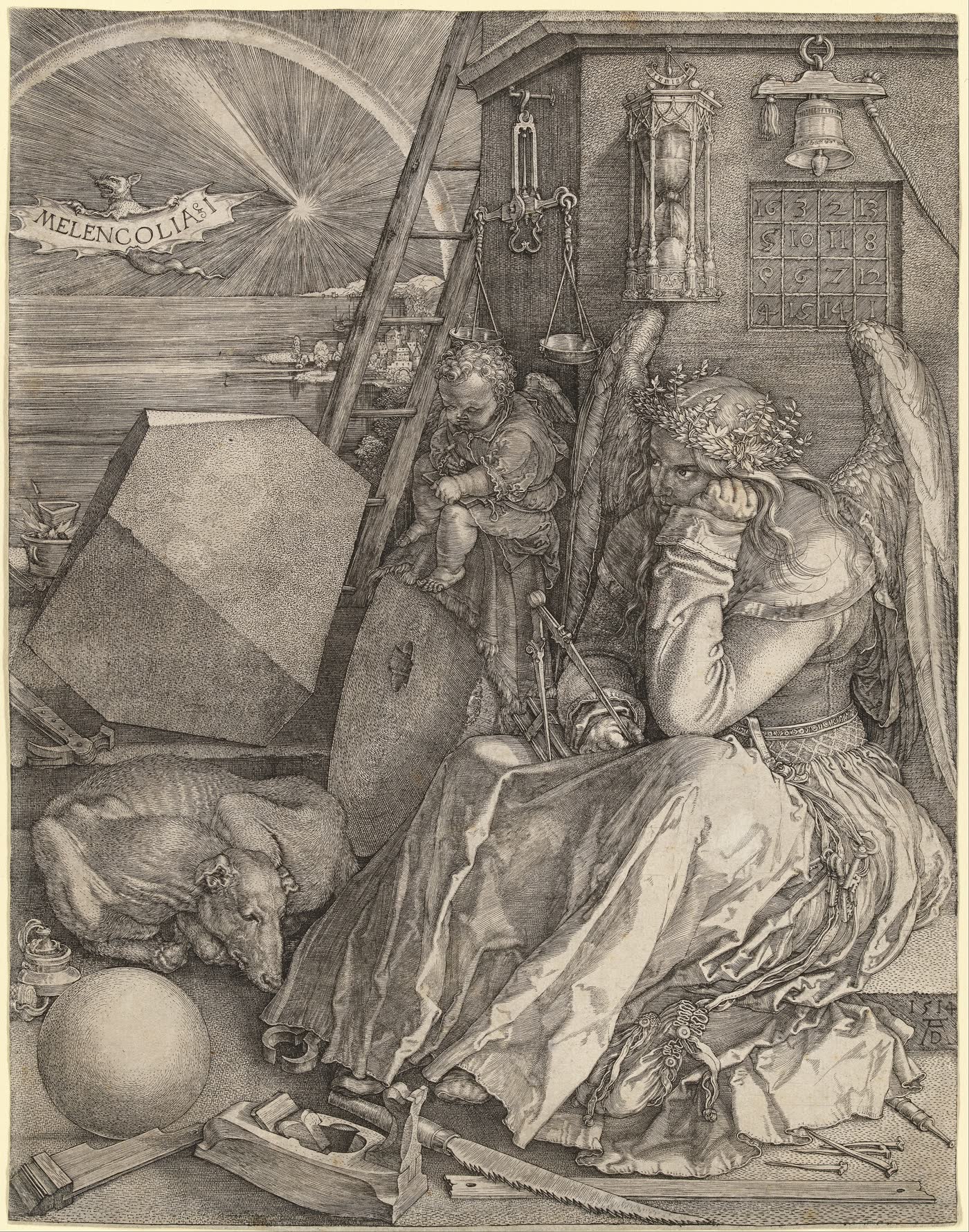
You have just watched one happen. The plate above is not a video and not a sequence of pre-made images — it is Dürer's engraving, reduced to a single bit and redrawn on your machine at whatever resolution your scroll position asked for.
Work the apparatusEleven plates
Everything in the show, at once
Scroll to spread the pile · hover to read a label
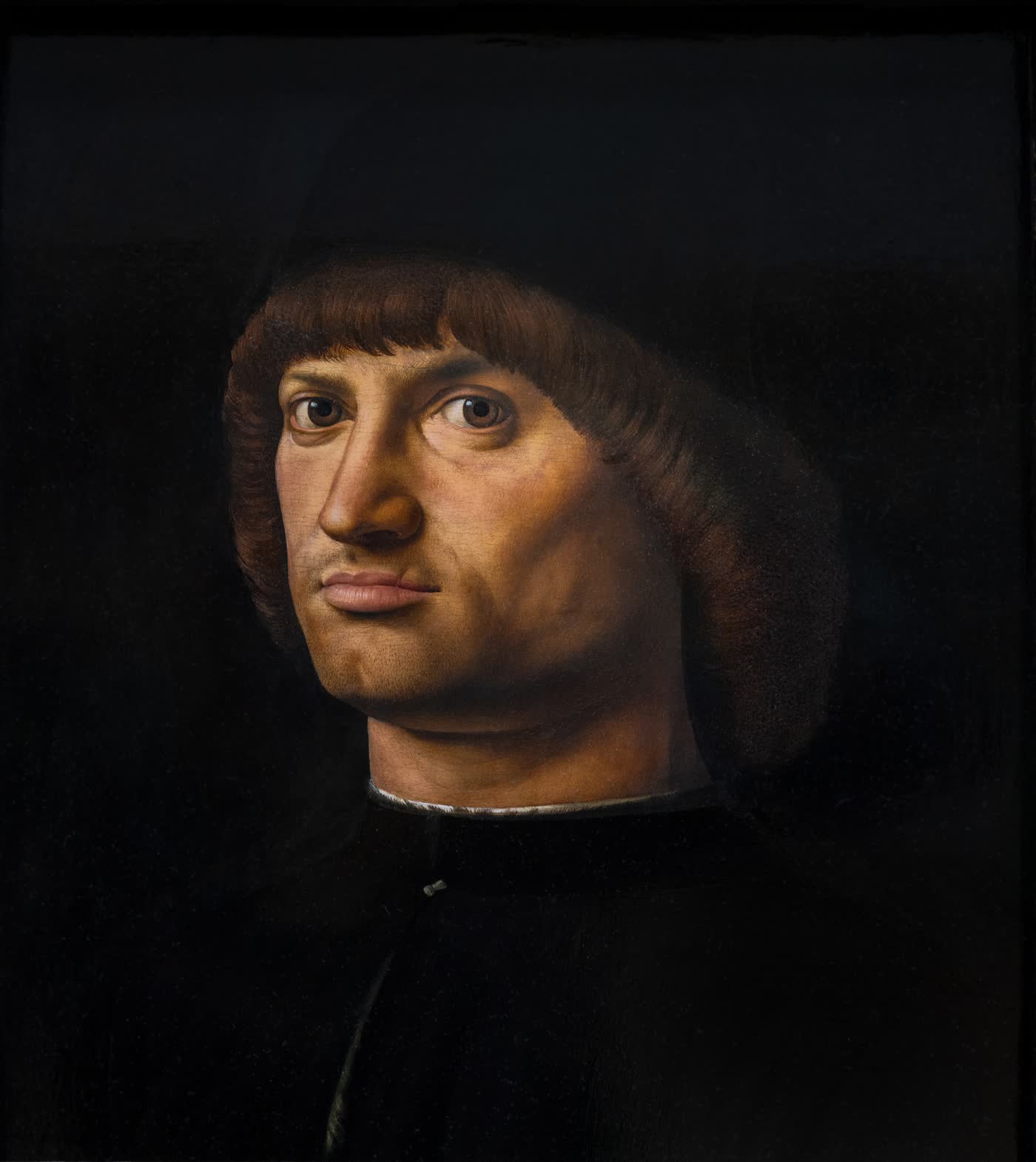
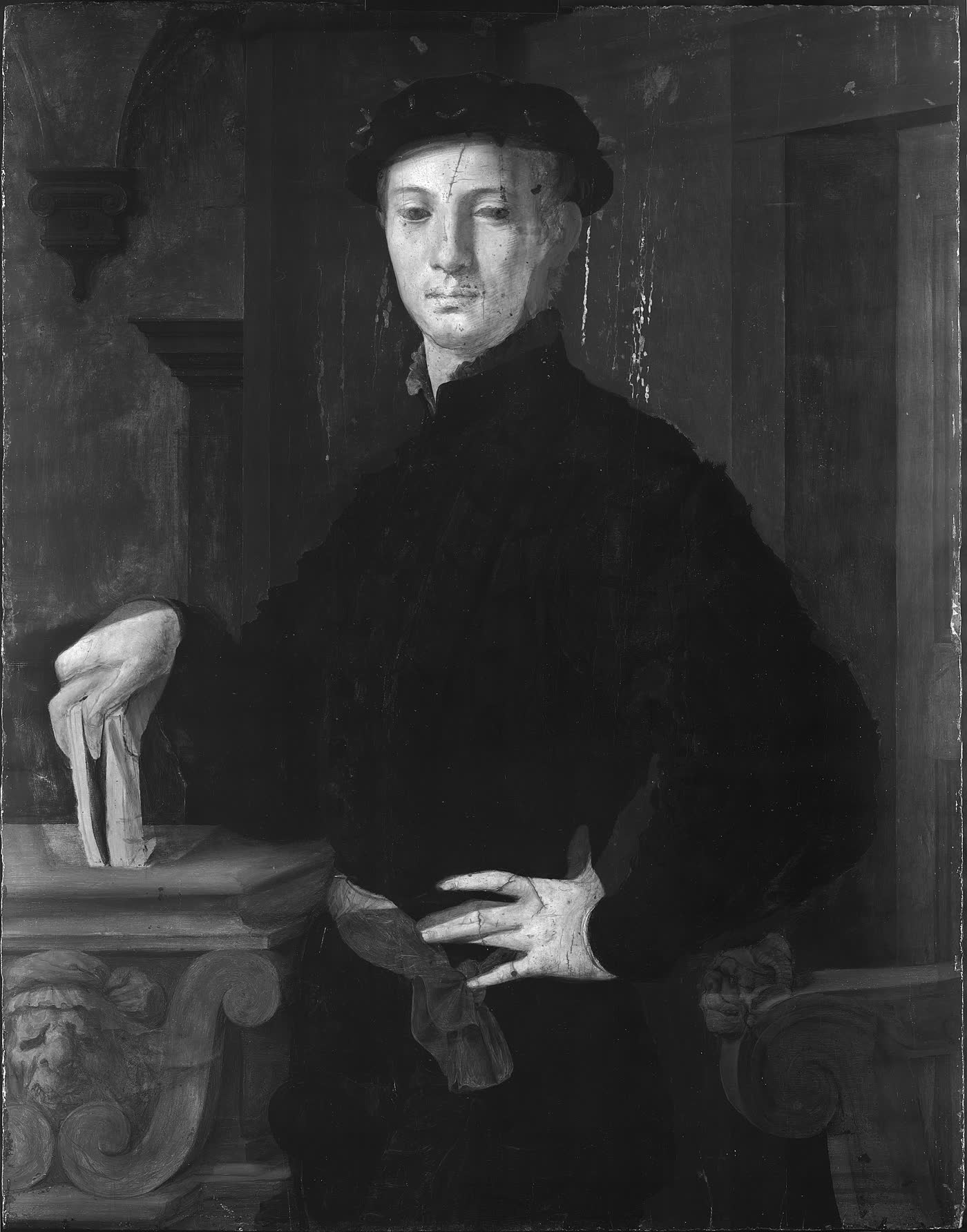
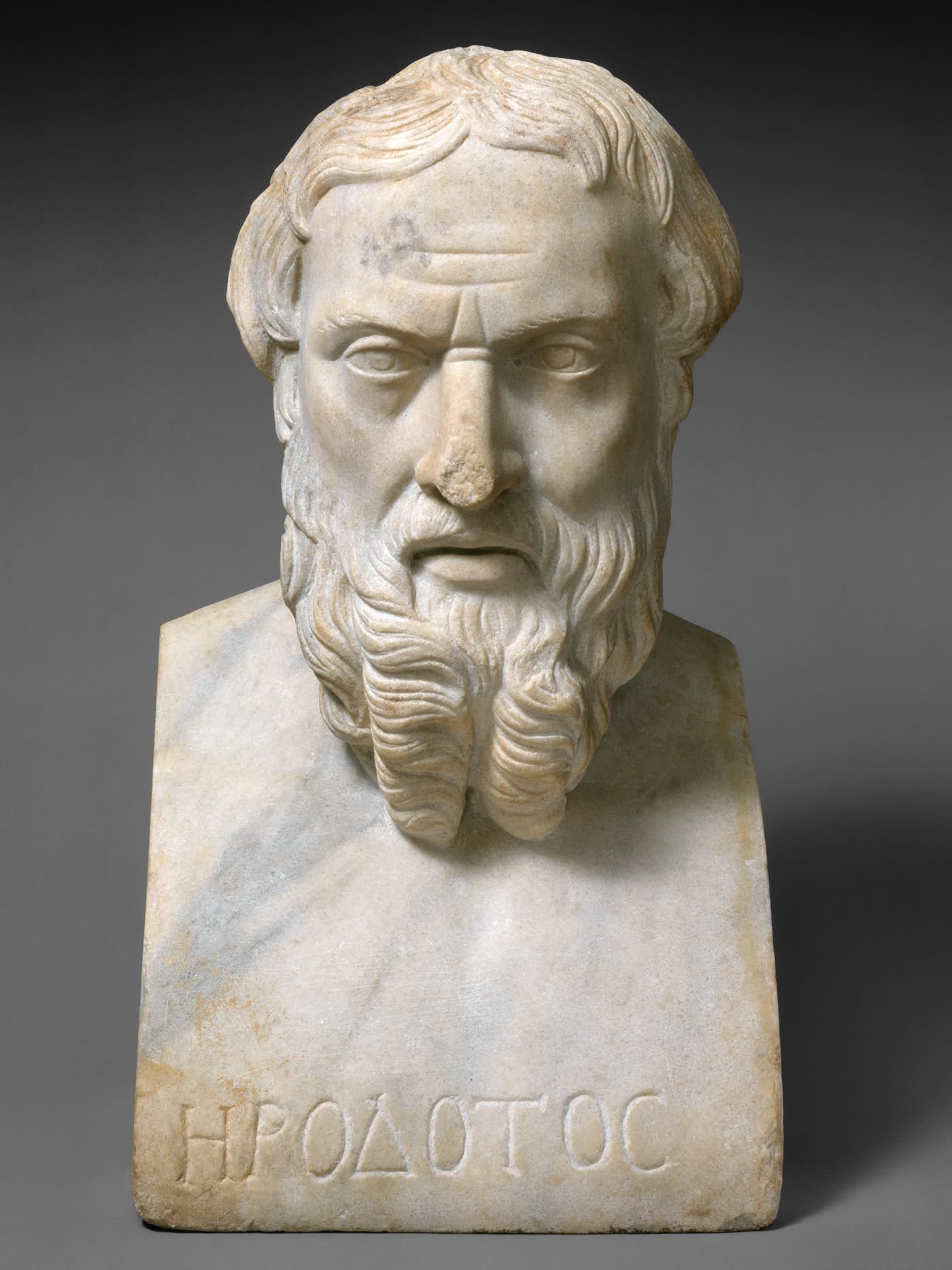
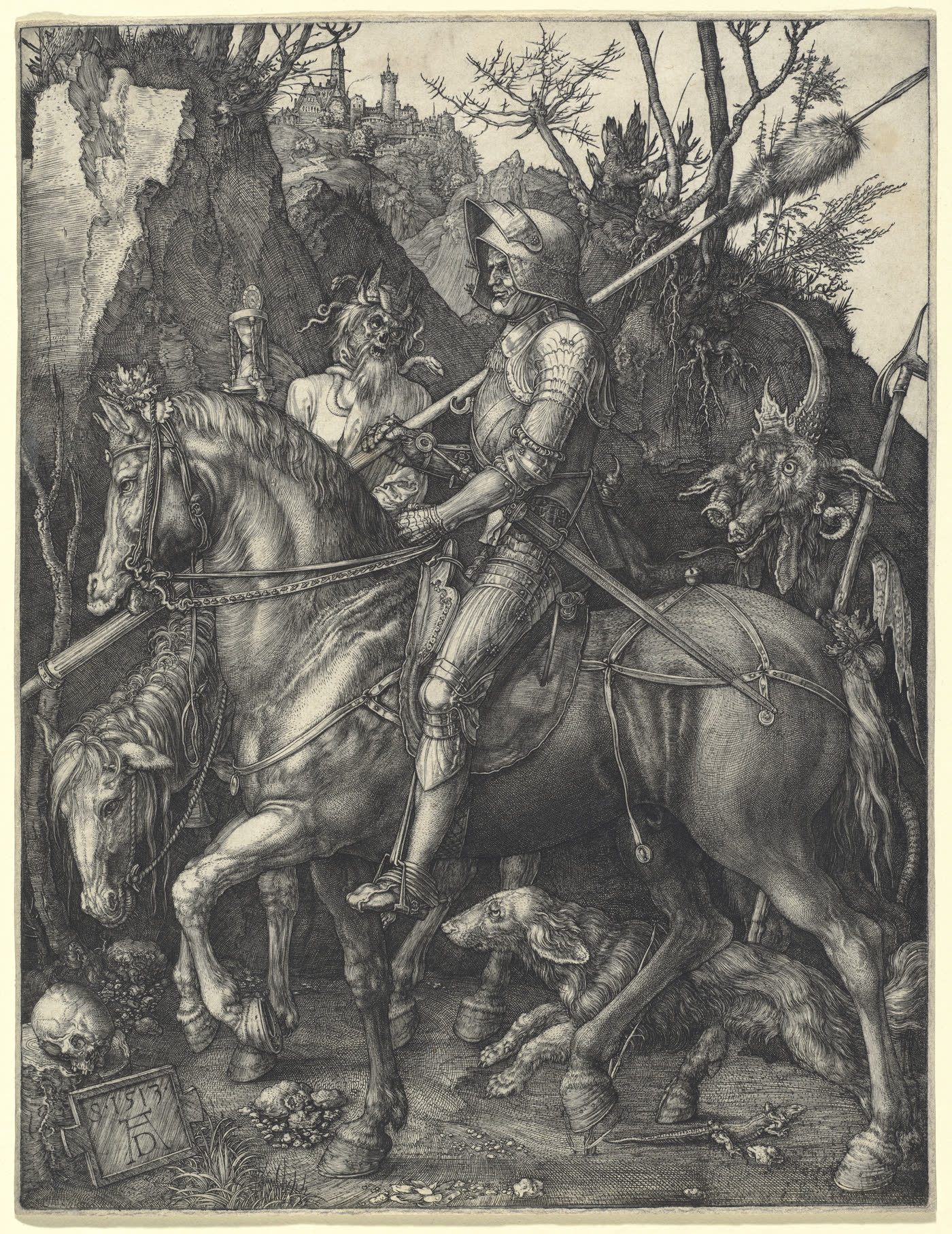
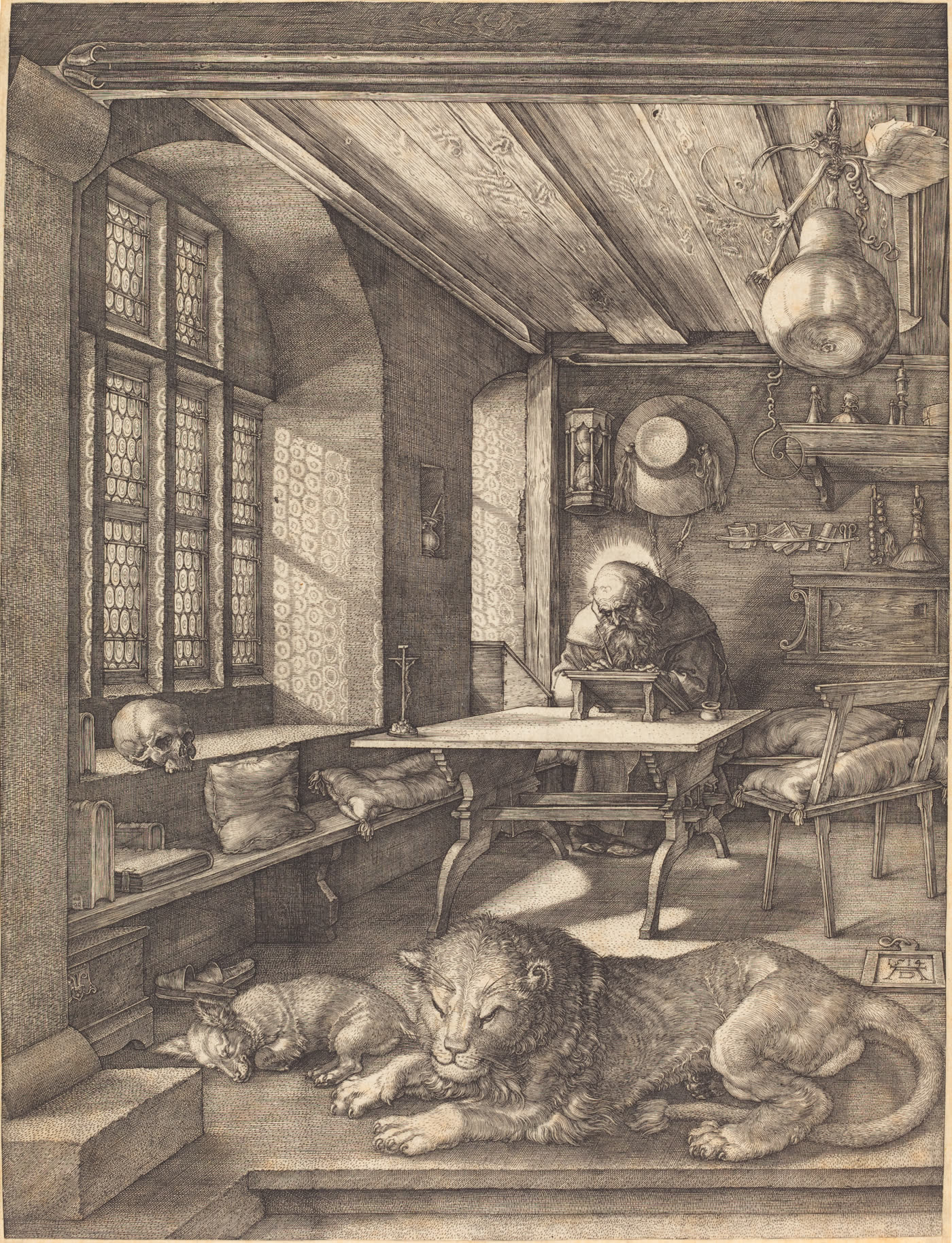
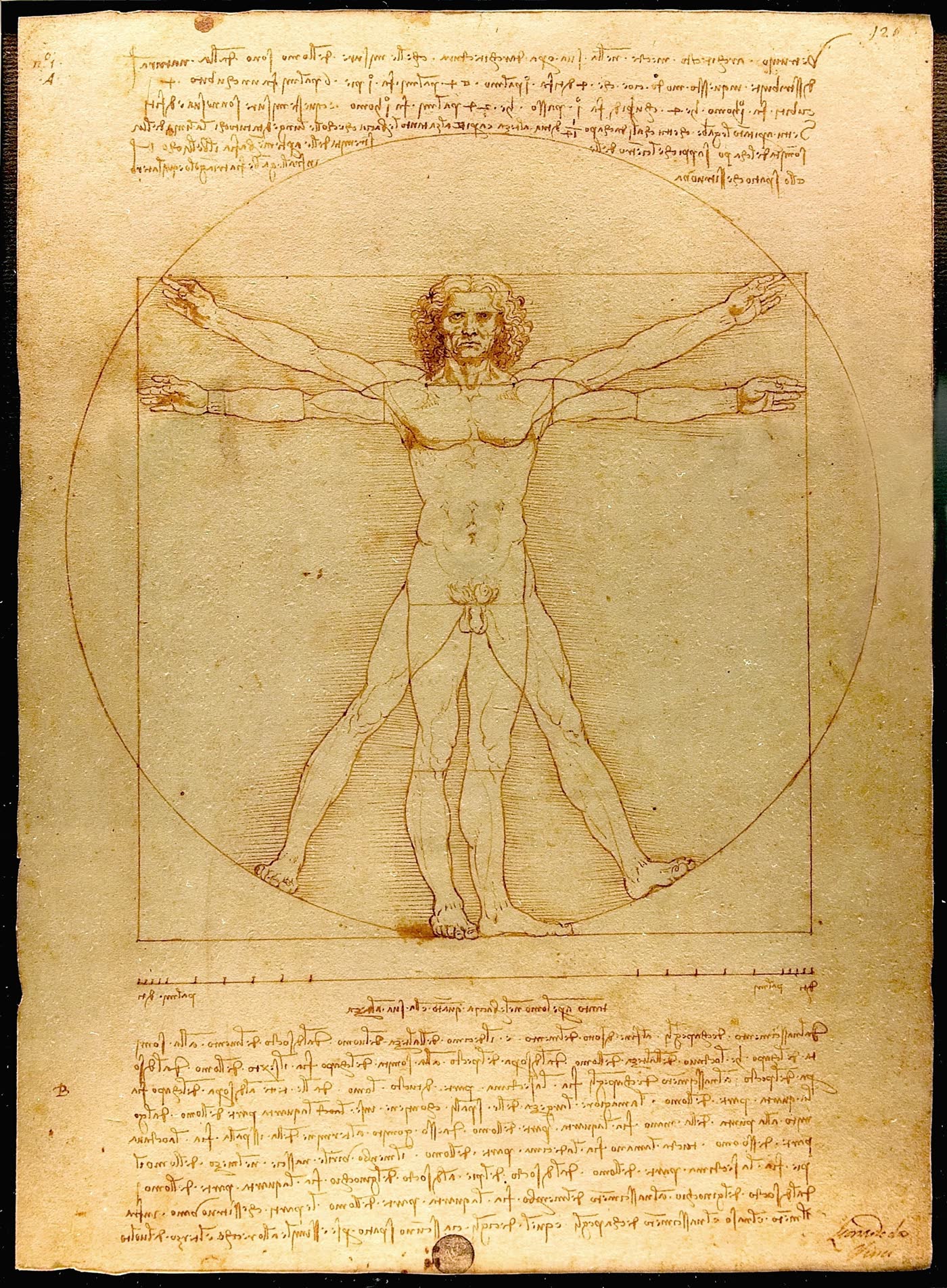
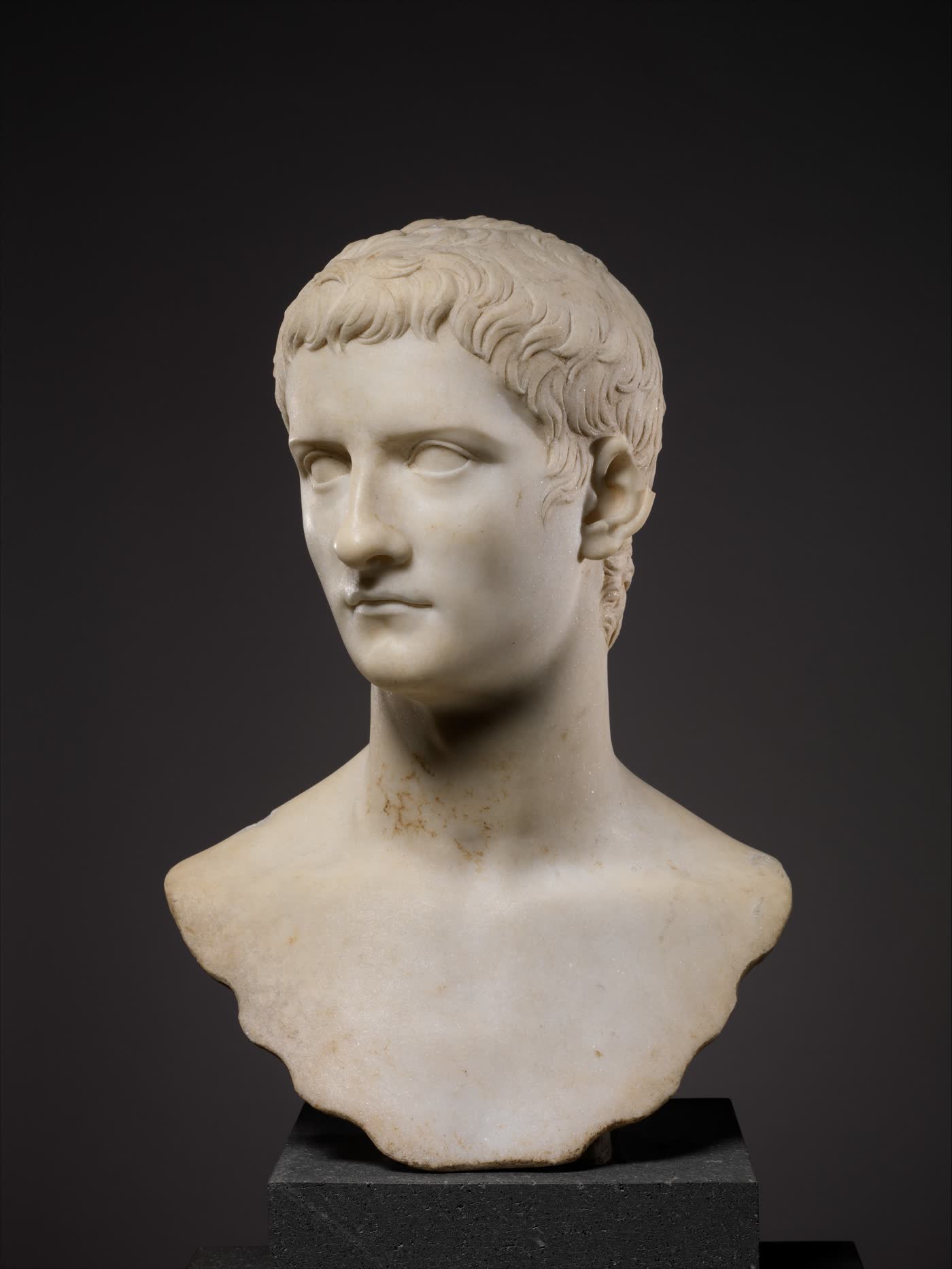
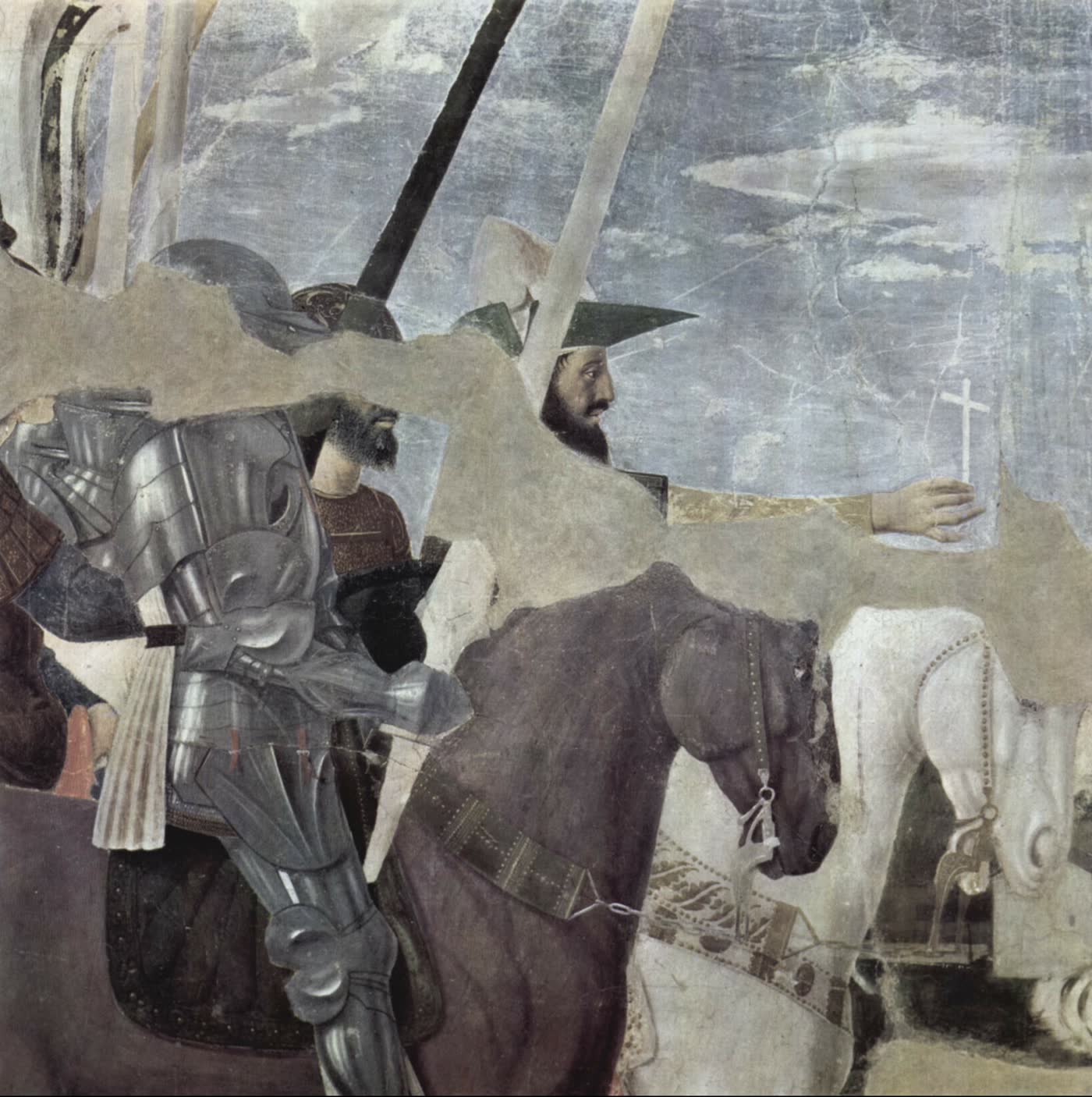
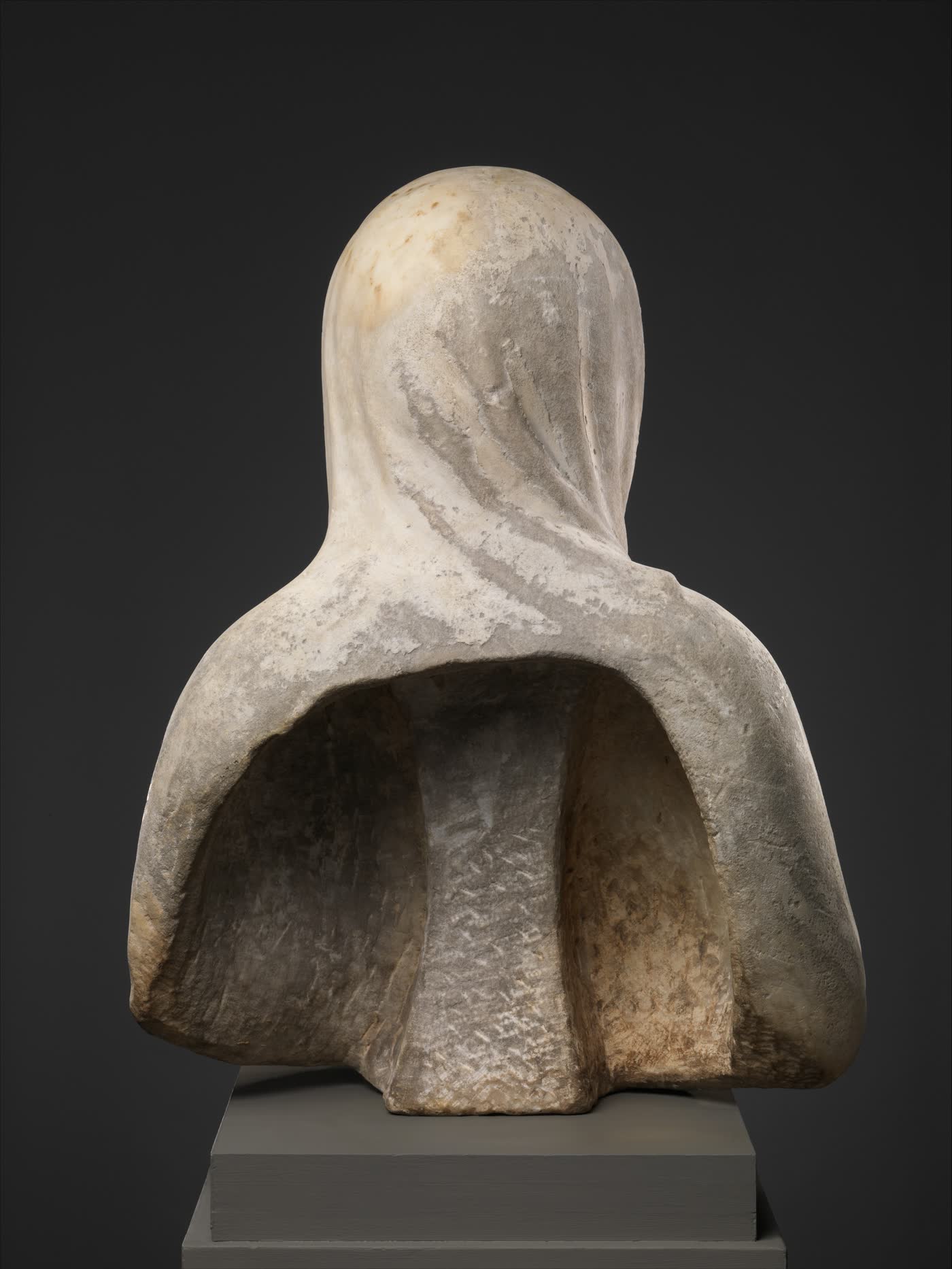
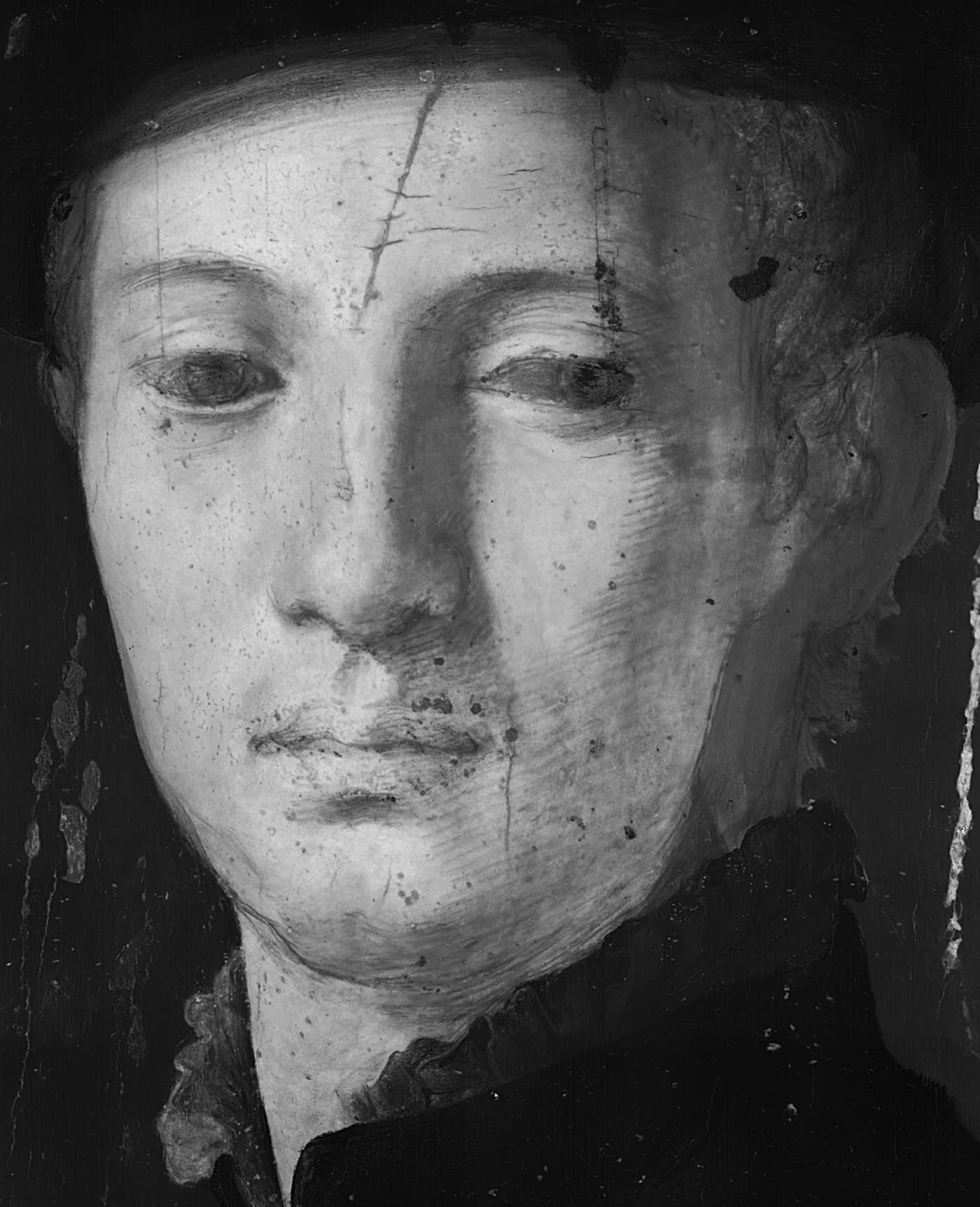
Plate 04
Melencolia I
Albrecht Dürer, 1514
Engraving
Drag the seam. On the left, one bit per pixel. On the right, the engraving as photographed. Dürer cut this image into copper so it could be repeated exactly; the irony of it surviving into a medium that cannot hold a grey is the reason it opens the show.
← drag · or use arrow keys →
1-bit · Atkinson
Photograph
The exhibition
Room I
The Original
What the thing was, before anyone needed a second one. Paint on a panel; marble cut once and nev…
Room II
The Copy
Dürer's engravings are not reproductions of paintings. They are originals designed from the…
Room III
The Grid
Proportion, ruled. The Vitruvian figure is a body forced into a square and a circle because the …
Room IV
The Loss
Craquelure, erosion, a fresco that has shed half its surface. These works were degraded long bef…
A reproduction does not fail by losing detail. It fails by keeping the wrong detail and being believed. From the curator's essay
The show gathers eleven works — three engravings, four paintings, four pieces of Roman marble — and puts each through the same indignity: reduction to one bit. Black, or white. Nothing between.
What survives is not what you would expect. Dürer survives almost entirely, because he was already drawing in lines. The marble barely survives at all.
Read the essay