Four rooms
Each plate is dithered in your browser as you reach it. Nothing here is a pre-made picture of a dithered painting — the reduction happens on your machine, at the size your screen asked for.
Room I
The Original
What the thing was, before anyone needed a second one. Paint on a panel; marble cut once and never again. These objects were made to be stood in front of — singular, unrepeatable, and in two cases already a copy of something older.
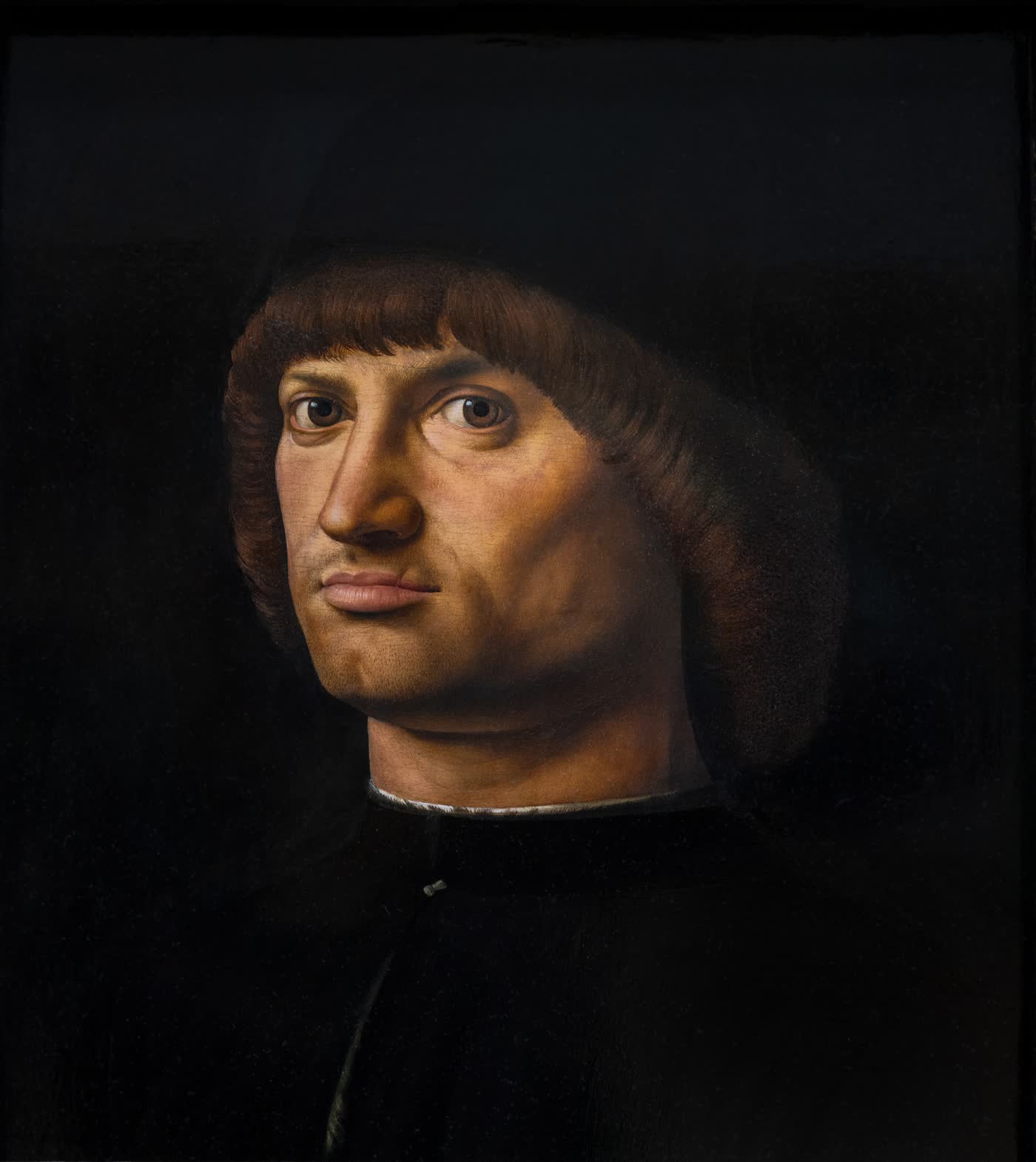
Portrait of a Man (Il Condottiere)
Bayer 8×8 · 4 px cell · 1-bit
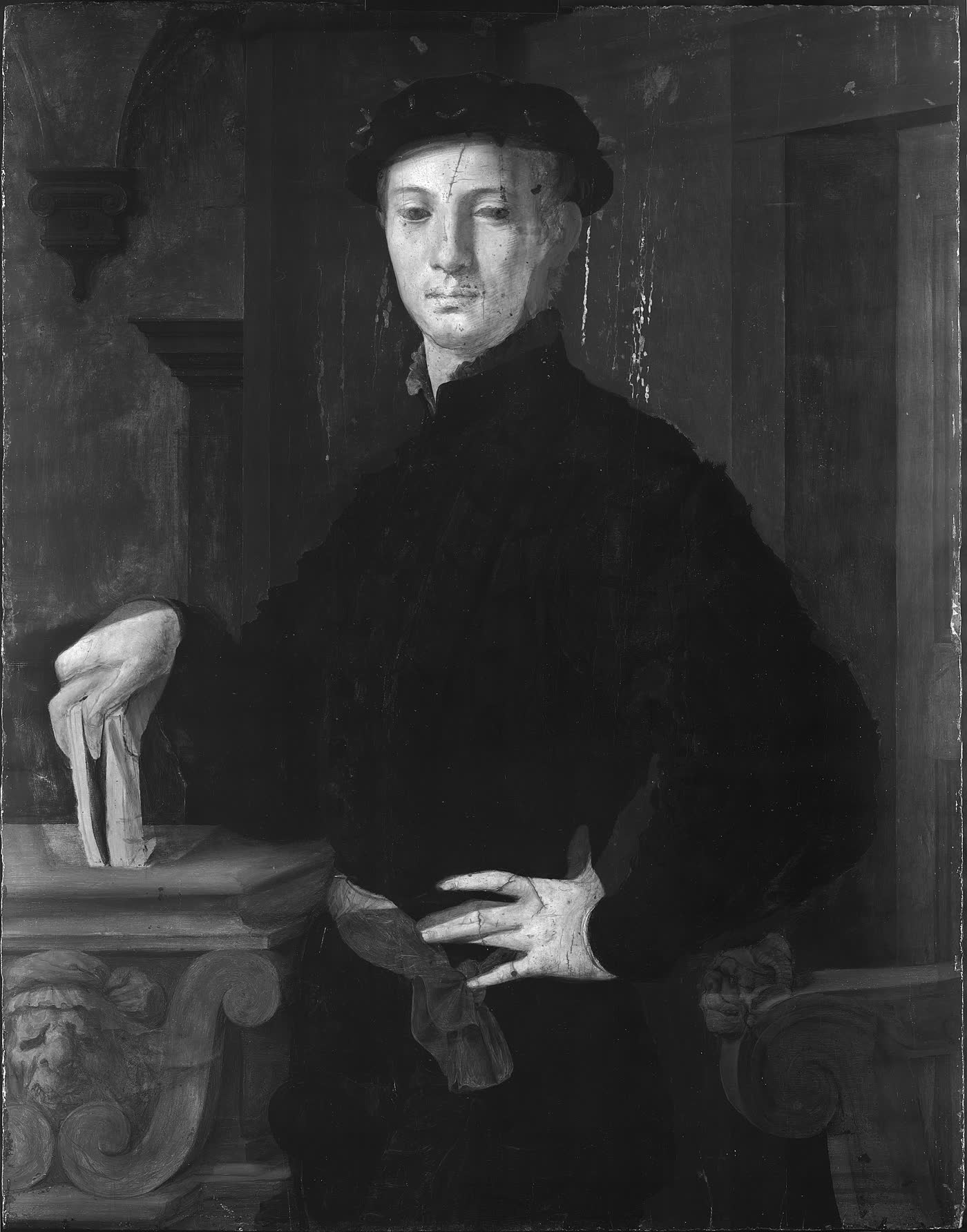
Portrait of a Young Man
Bayer 8×8 · 4 px cell · 1-bit
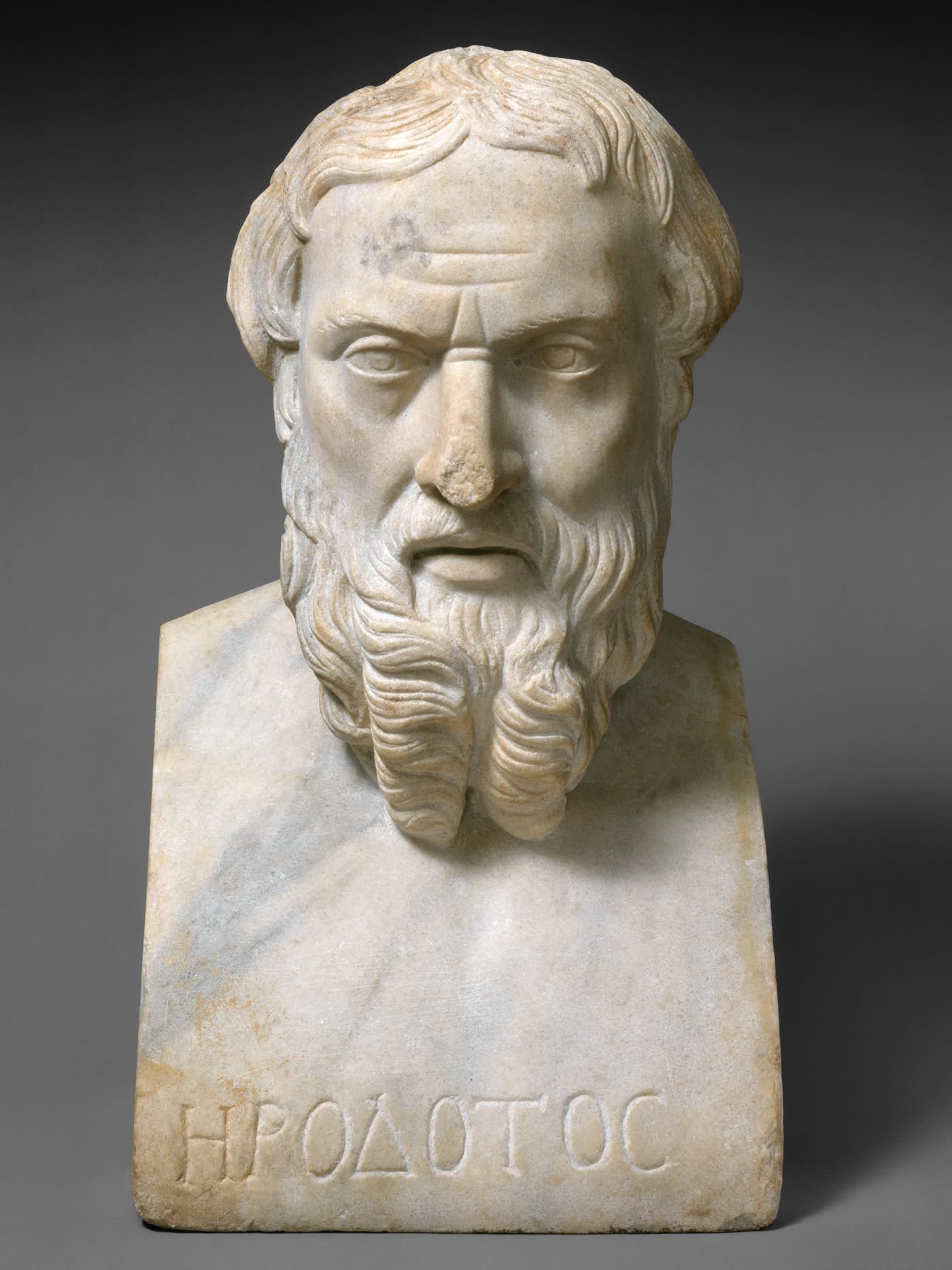
Marble bust of Herodotos
Bayer 8×8 · 4 px cell · 1-bit
Room II
The Copy
Dürer's engravings are not reproductions of paintings. They are originals designed from the outset to exist in the hundreds — the first images in Europe made to be identical, and made by a machine. Every argument about digital reproduction was rehearsed here, in 1514, in copper.
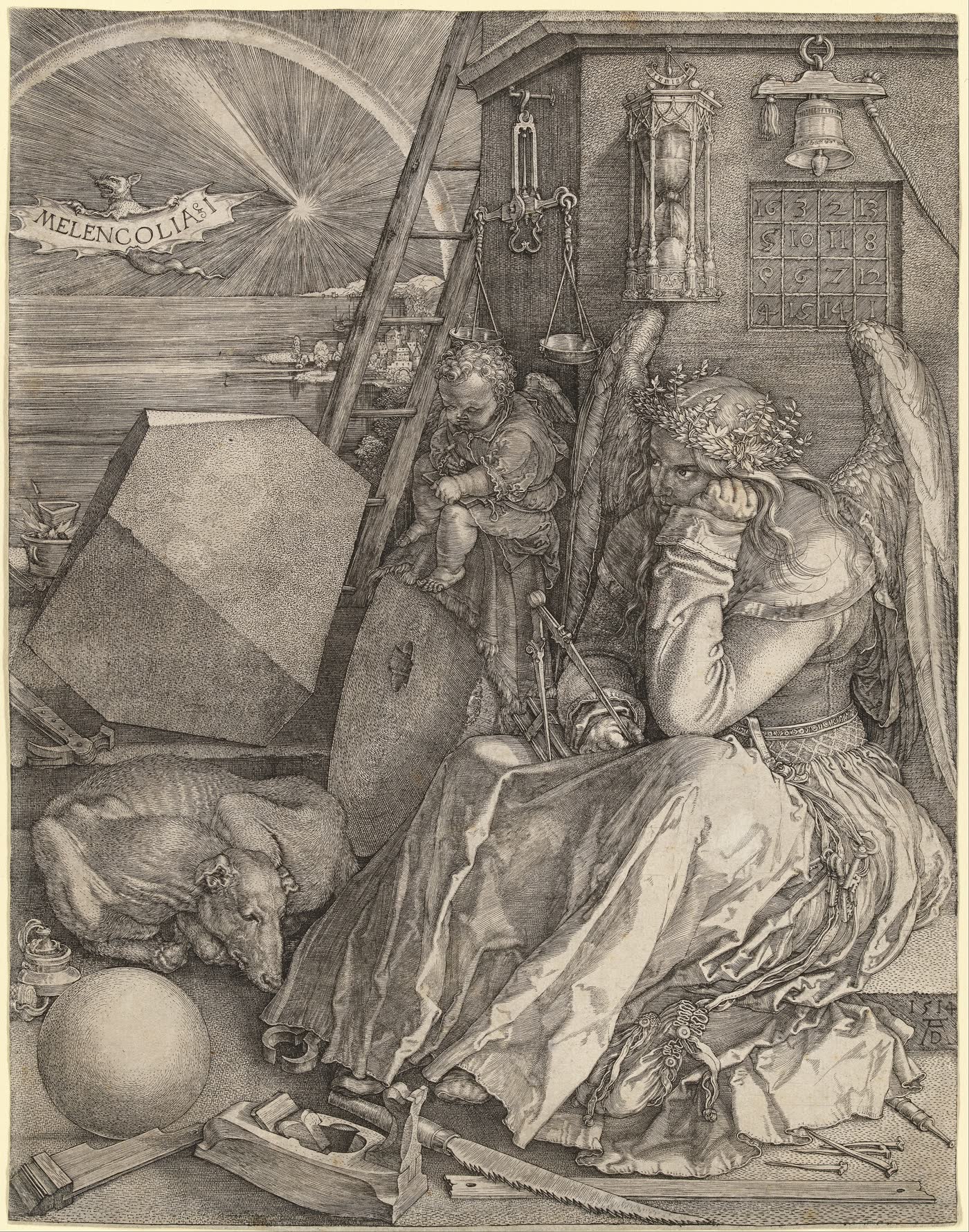
Melencolia I
Bayer 8×8 · 3 px cell · 1-bit
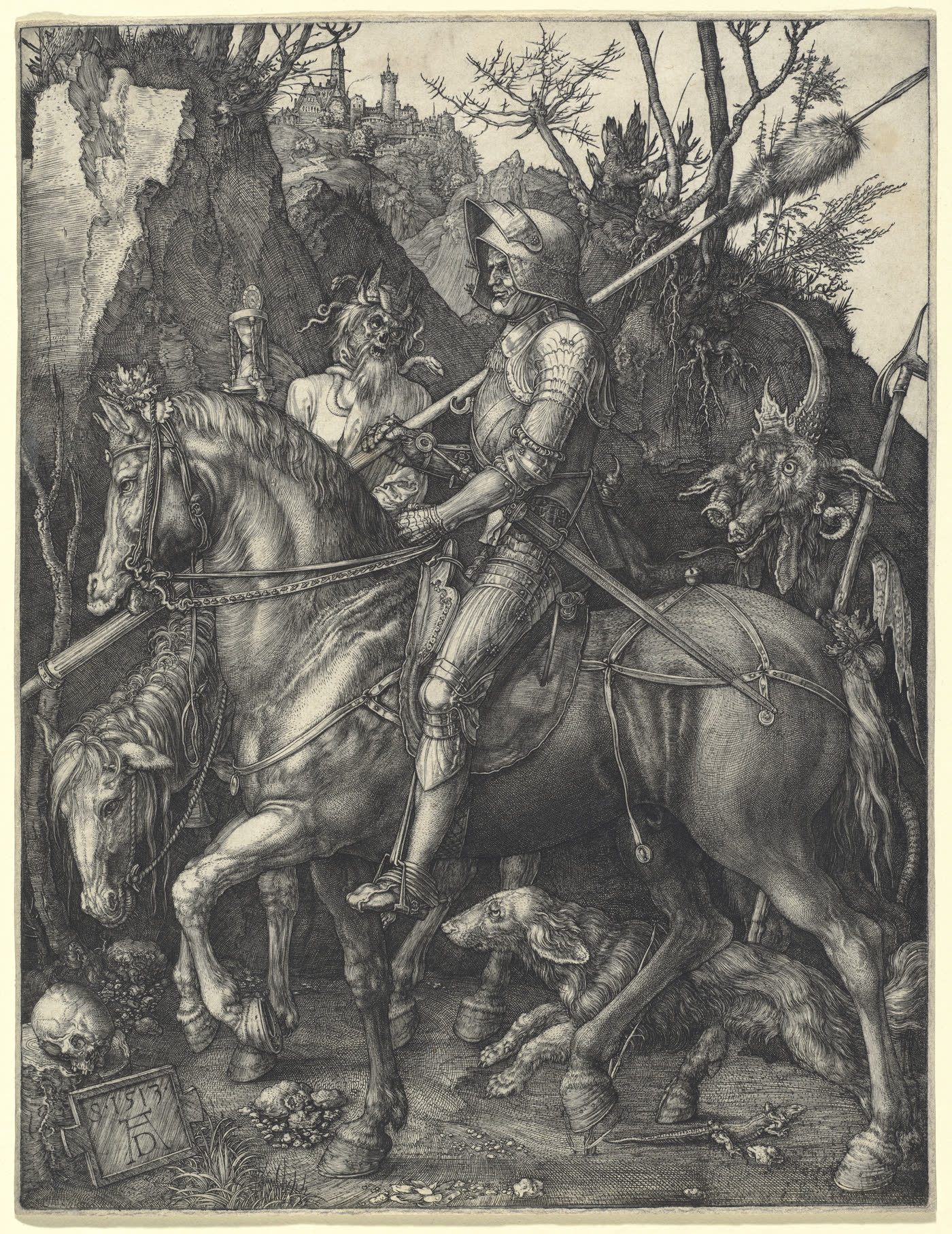
Knight, Death and the Devil
Bayer 8×8 · 3 px cell · 1-bit
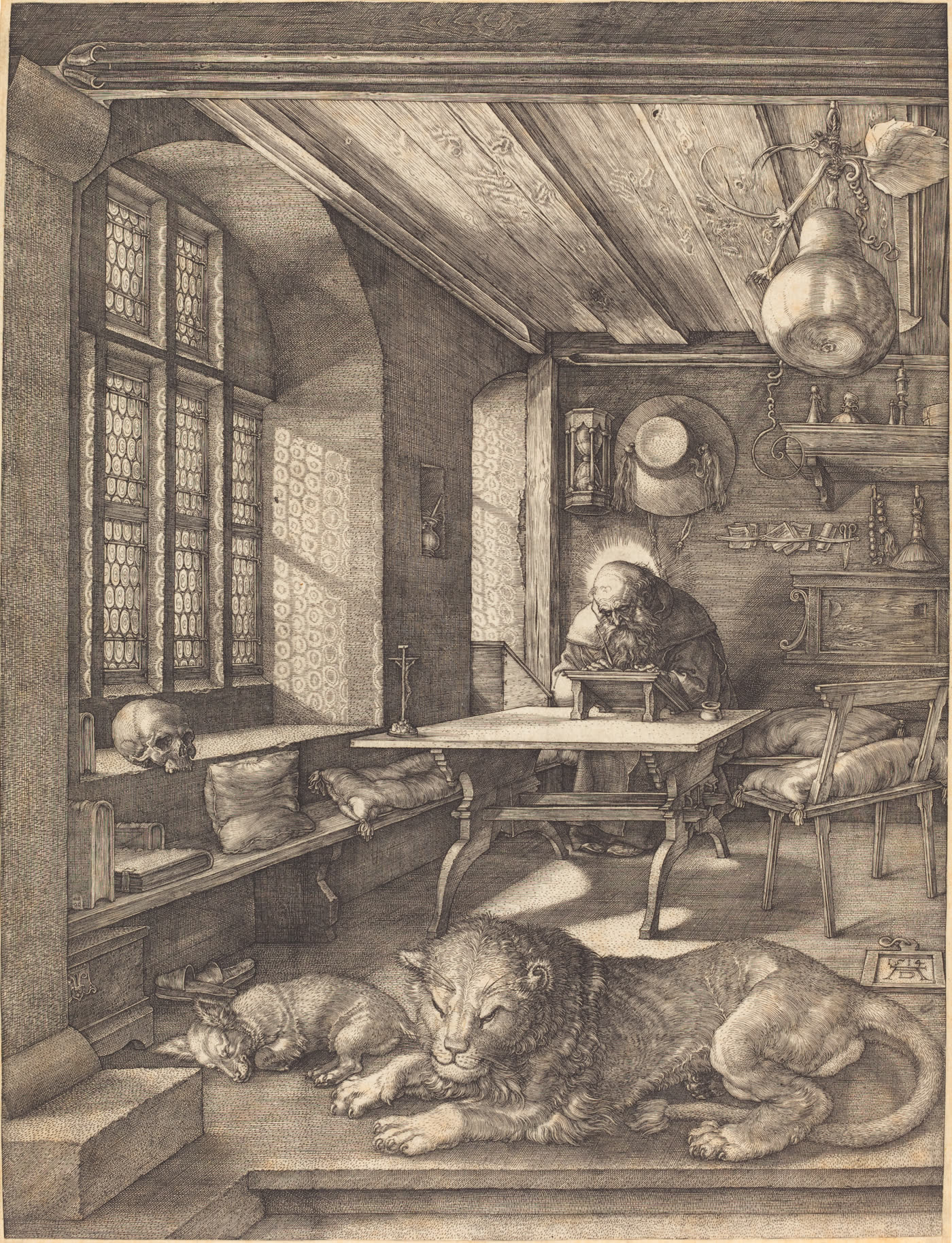
Saint Jerome in His Study
Bayer 8×8 · 3 px cell · 1-bit
Room III
The Grid
Proportion, ruled. The Vitruvian figure is a body forced into a square and a circle because the age believed a body should fit. Five hundred years later we force the same images into a different grid, and it also does not quite fit.
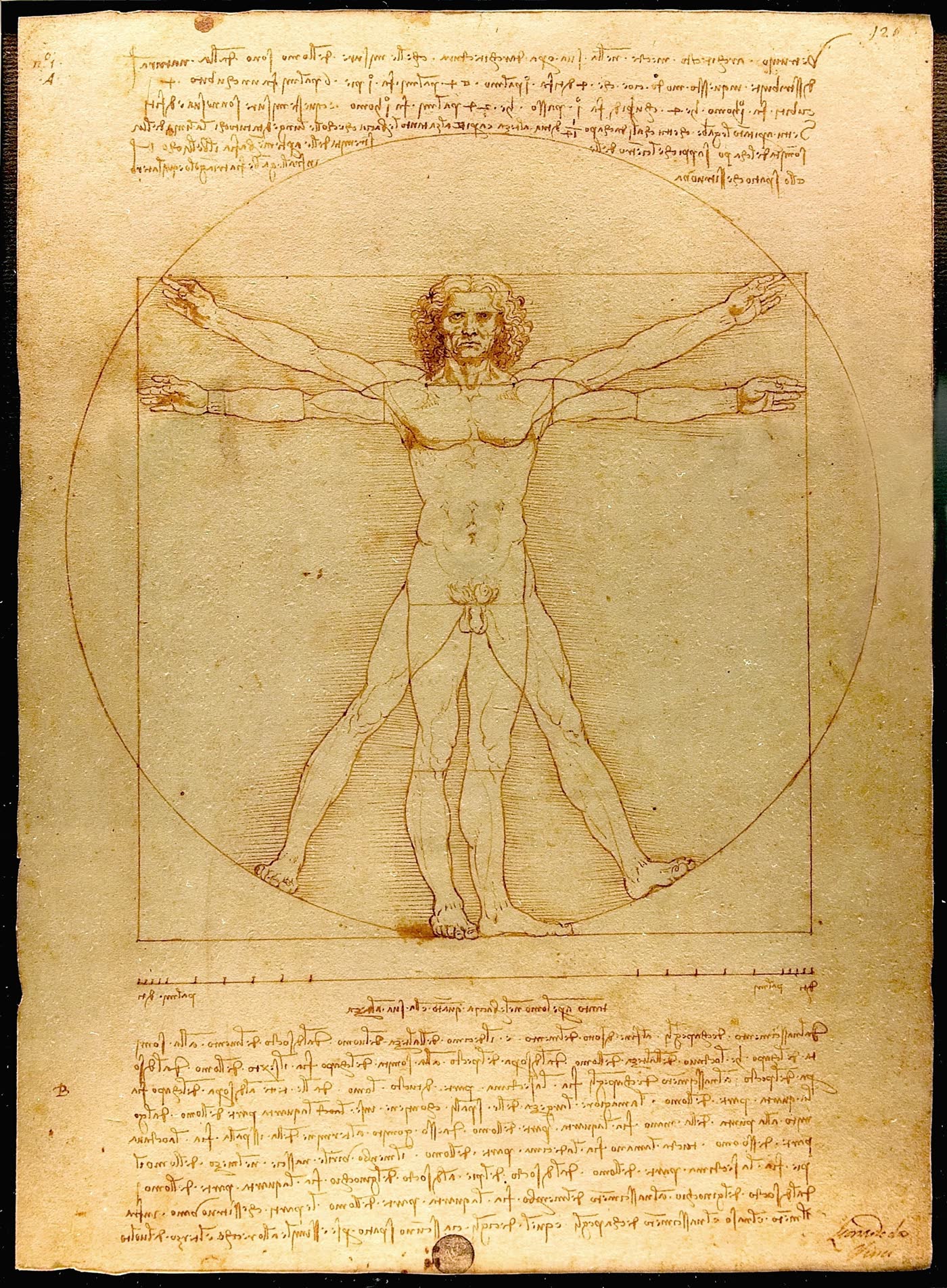
The Vitruvian Man
Bayer 8×8 · 4 px cell · 1-bit
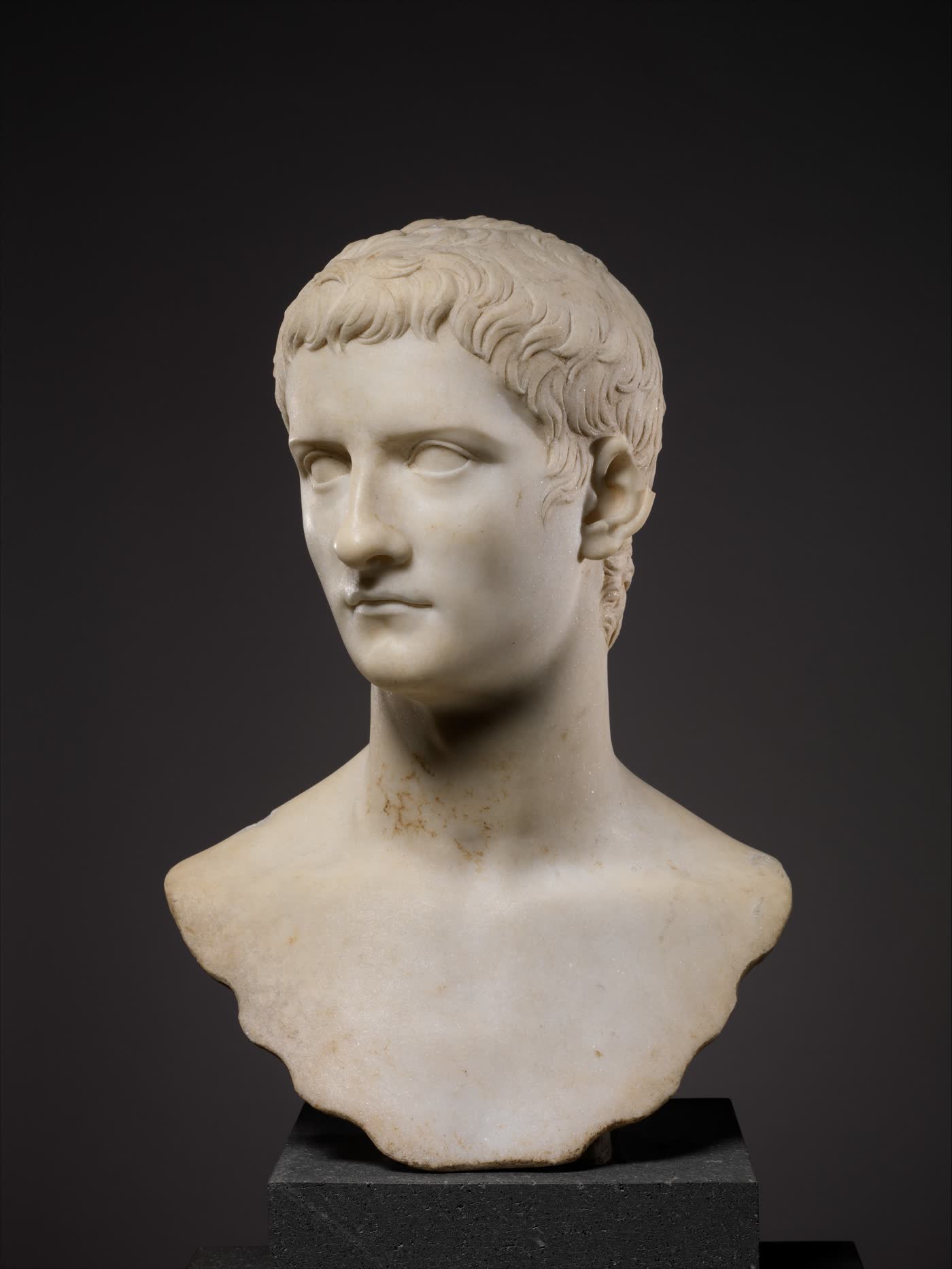
Portrait bust of the emperor Gaius, known as Caligula
Bayer 8×8 · 4 px cell · 1-bit
Room IV
The Loss
Craquelure, erosion, a fresco that has shed half its surface. These works were degraded long before a scanner reached them. The question this room asks is whether a dithered copy is a further loss or simply the most recent one in a very long series.
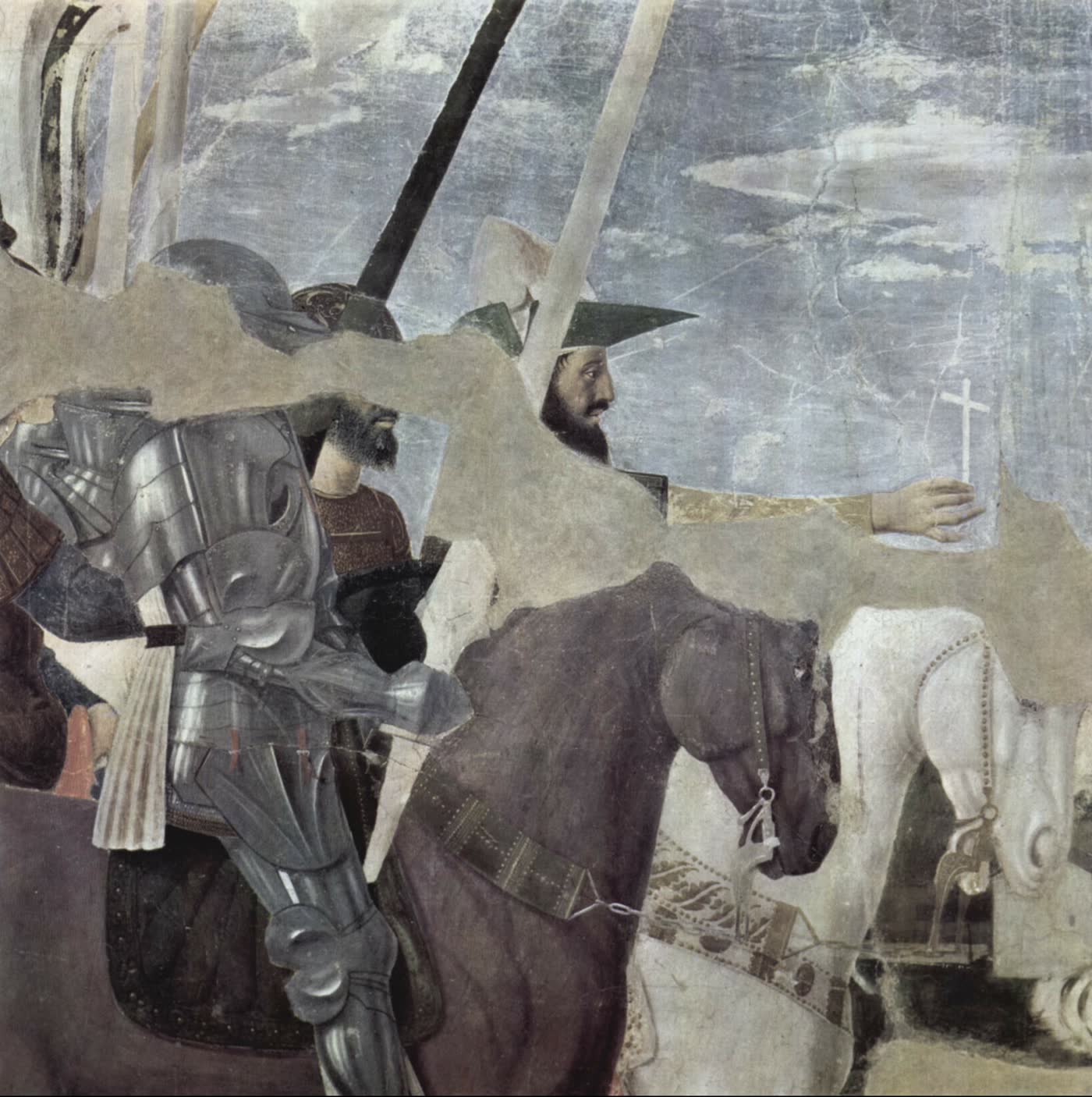
Battle scene (detail), from the Legend of the True Cross
Bayer 8×8 · 5 px cell · 1-bit
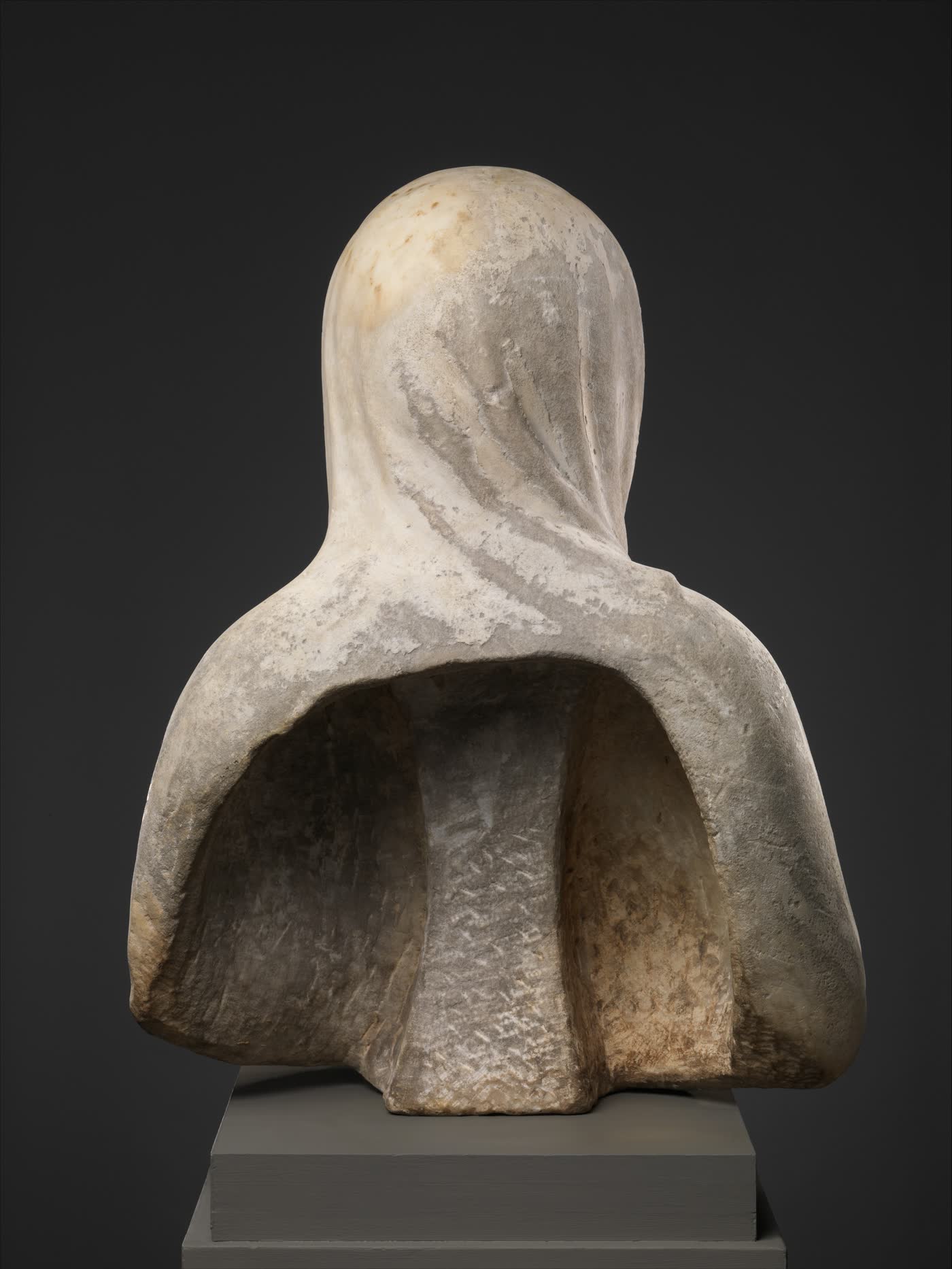
Portrait bust of a woman
Bayer 8×8 · 5 px cell · 1-bit
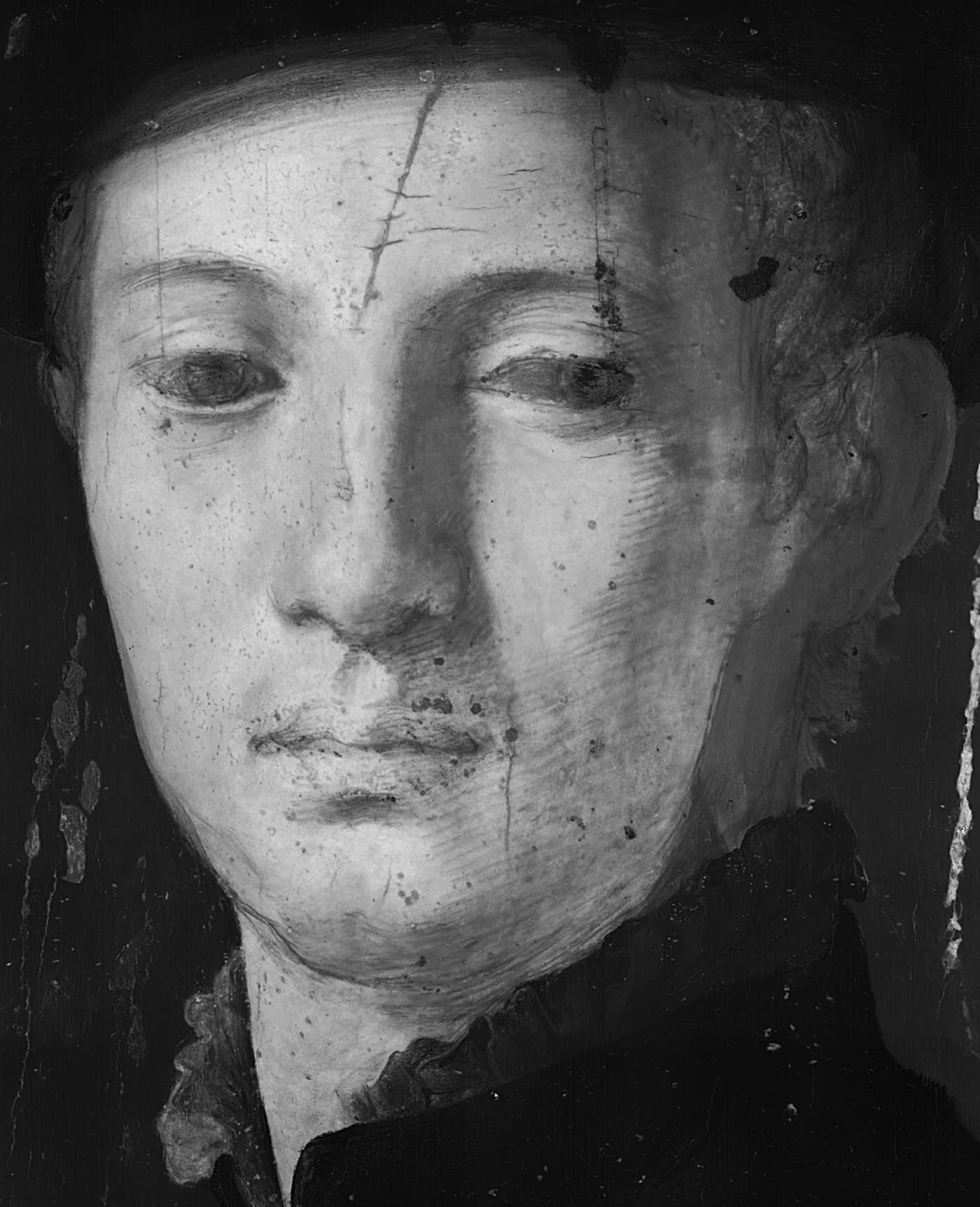
Portrait of a Young Man (detail of the face)
Bayer 8×8 · 5 px cell · 1-bit