I / 74 m / built 1974 / rebuilt 1998 / local —
The station
The building
The telescope is on the ridge. The station is 2.4 kilometres away and 400 metres lower down, and the two buildings solve completely different problems.
The enclosure up on the ridge is arranged around a mirror. The station is arranged around people: they have to sleep through daylight, stay for 28 days at a time, and do it at 3,410 metres, where the air pressure is about two-thirds of what it is at sea level.
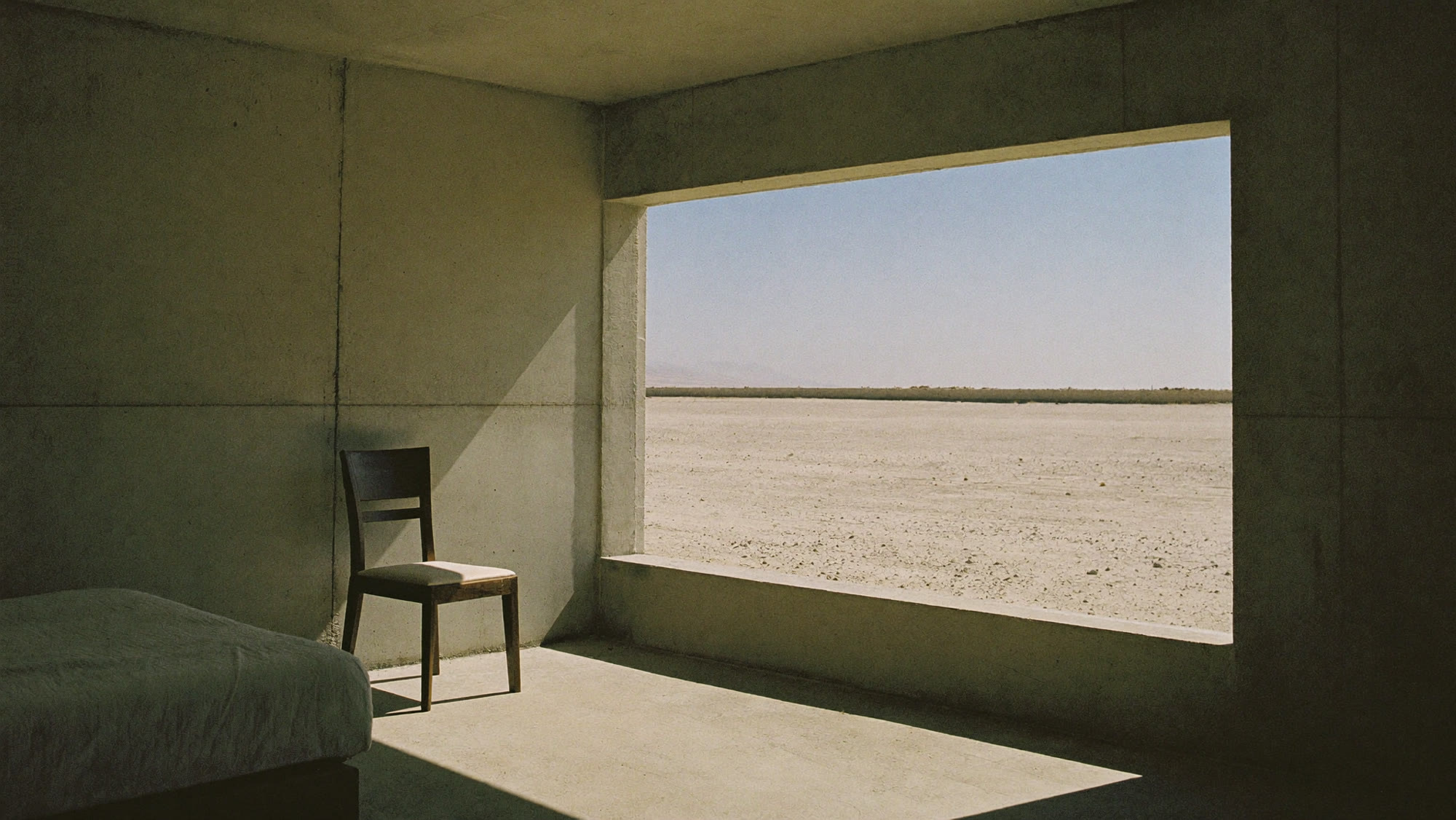
The 1998 rebuild replaced the original accommodation — a row of prefabricated huts meant to last four years, which lasted twenty-four — with a single bar of board-formed concrete dug into the north slope. The slope does the insulating. Three sides of the building are against earth and the fourth faces the basin in glass, which keeps the interior within a few degrees year-round without much heating.
There is no lobby. Vehicles pull into a garage at the east end and you walk in through it, past the graders, to reach anything else.
- Length
- 74m
- Rooms
- 11
- Water, trucked
- 9 000L / wk
- Shift
- 28days
Station time, live
Now at the station
—
—
A day here runs roughly opposite to a normal one. Dinner is at four in the afternoon, so that the night crew eats before the enclosure opens; breakfast is at seven in the morning, for people who are about to go to bed. The kitchen holds the only clock visible from the corridor, which is most of the reason the schedule holds together.
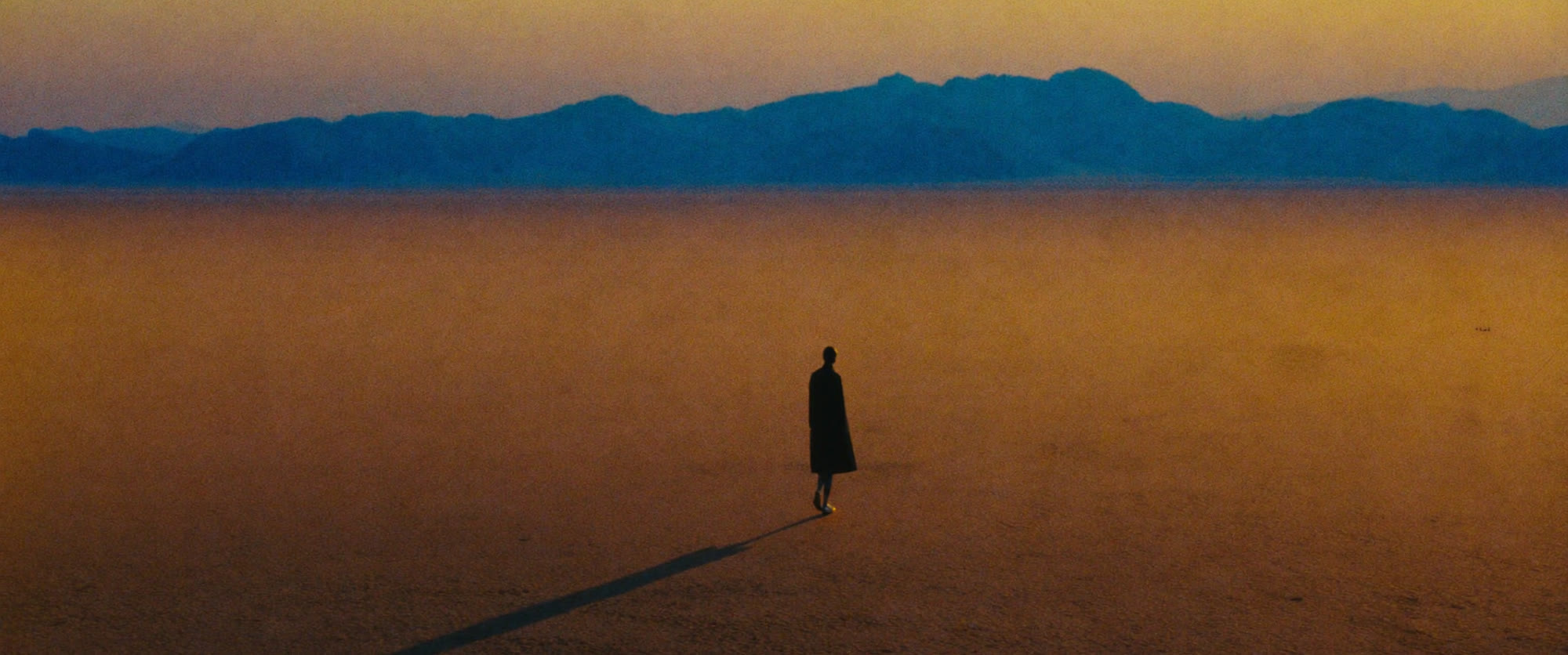
17:52 on the track to the enclosure — 2.4 km and 400 metres of climb, about forty minutes up and twenty-five back. Most staff walk it at least once a day.
The altitude
is the easy part.
Altitude sickness lasts about a week. New arrivals sleep badly, get a headache around the third day, and are told to drink four litres of water a day. Then it passes, and their resting heart rate settles about ten beats a minute higher than it was at home.
The quiet takes longer to get used to. There is no traffic, no aircraft, no insects and no vegetation, and for most of the year very little wind, so people start hearing their own breathing and pulse. Several have reported the building settling at night. It does not settle; it is concrete poured onto rock.
This comes up in the logbook more often than the weather does. Staff who came up to measure something specific tend to write about the silence at least once.
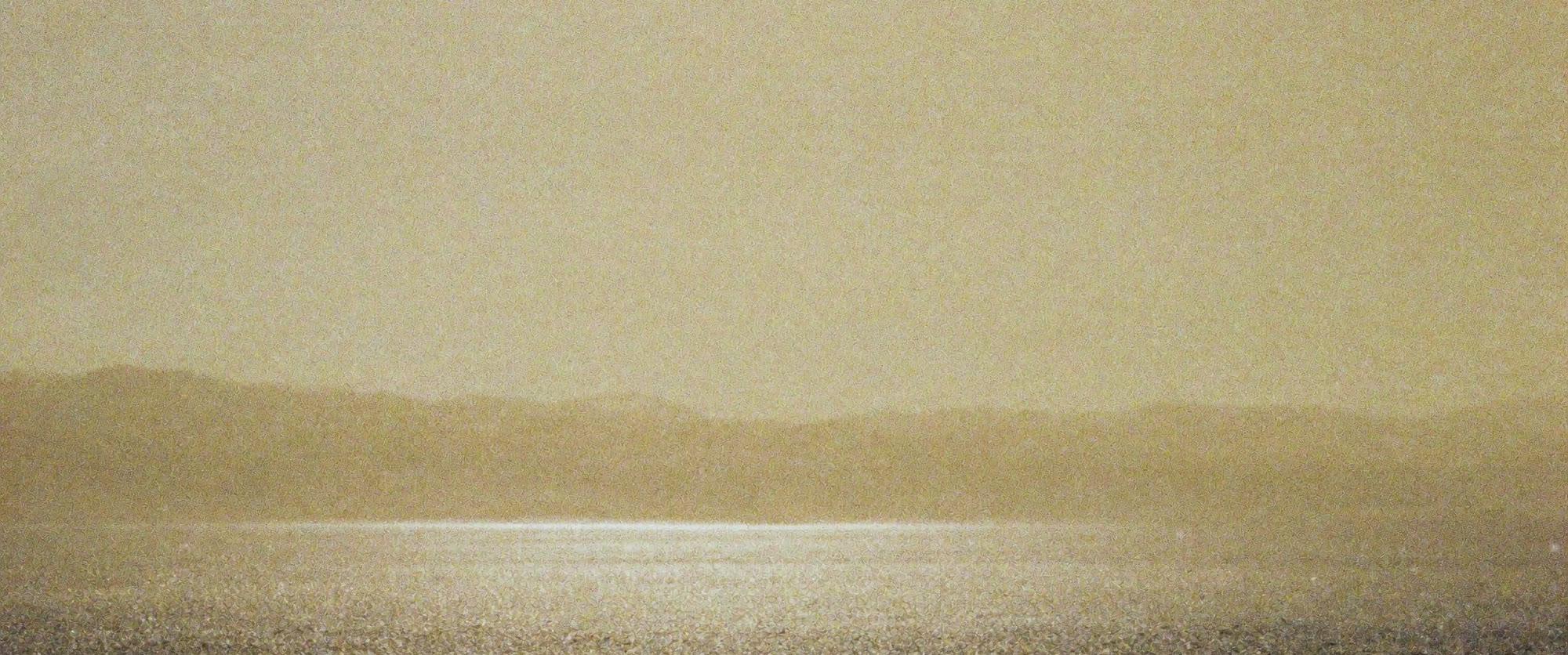
13:10, looking south from the garage. In summer the basin does this from about eleven until four, and the track to the ridge is closed to vehicles while it lasts.
Continue