E RAT PER PERSON · ONE RAT PER PERSON · ONE RAT PER PERS
Investigation
Everyone quotes the same figure. We went looking for where it came from and found a farm in England, a man with a bicycle, and some arithmetic.
Words — R. Meel
NUMBERS · Nº 10 · RATKING · THE VERMIN NUMBERE RAT PER PERSON · ONE RAT PER PERSON · ONE RAT PER PERS
The number you have heard is one rat per person. You have heard it because everybody has heard it. It is in the newspaper roughly twice a year, usually in August.
It is not a measurement. Nobody has ever counted the rats in this or any city, because there is no way to do it that survives contact with a rat.
The figure comes from a book published in England in 1909. The author had an idea: he went to one farm, counted the rats he could find on it, and got a number he was happy with. Then he assumed that farm was typical. Then he multiplied by the cultivated acreage of England and Wales.
He got forty million. The population of England and Wales at the time was about forty million.
That is the whole provenance. One farm, one man, one multiplication, and a coincidence so tidy that it has outlived everyone involved by a century and crossed an ocean.
You can count bold rats very accurately. You will never know what fraction of rats are bold.
I spent a week trying to find a better number and here is what I have.
The city will not give one. I asked three times, in writing twice. The answer, both written times, was that they do not estimate population and that complaint volume is not a proxy for population, which is true and is also not an answer.
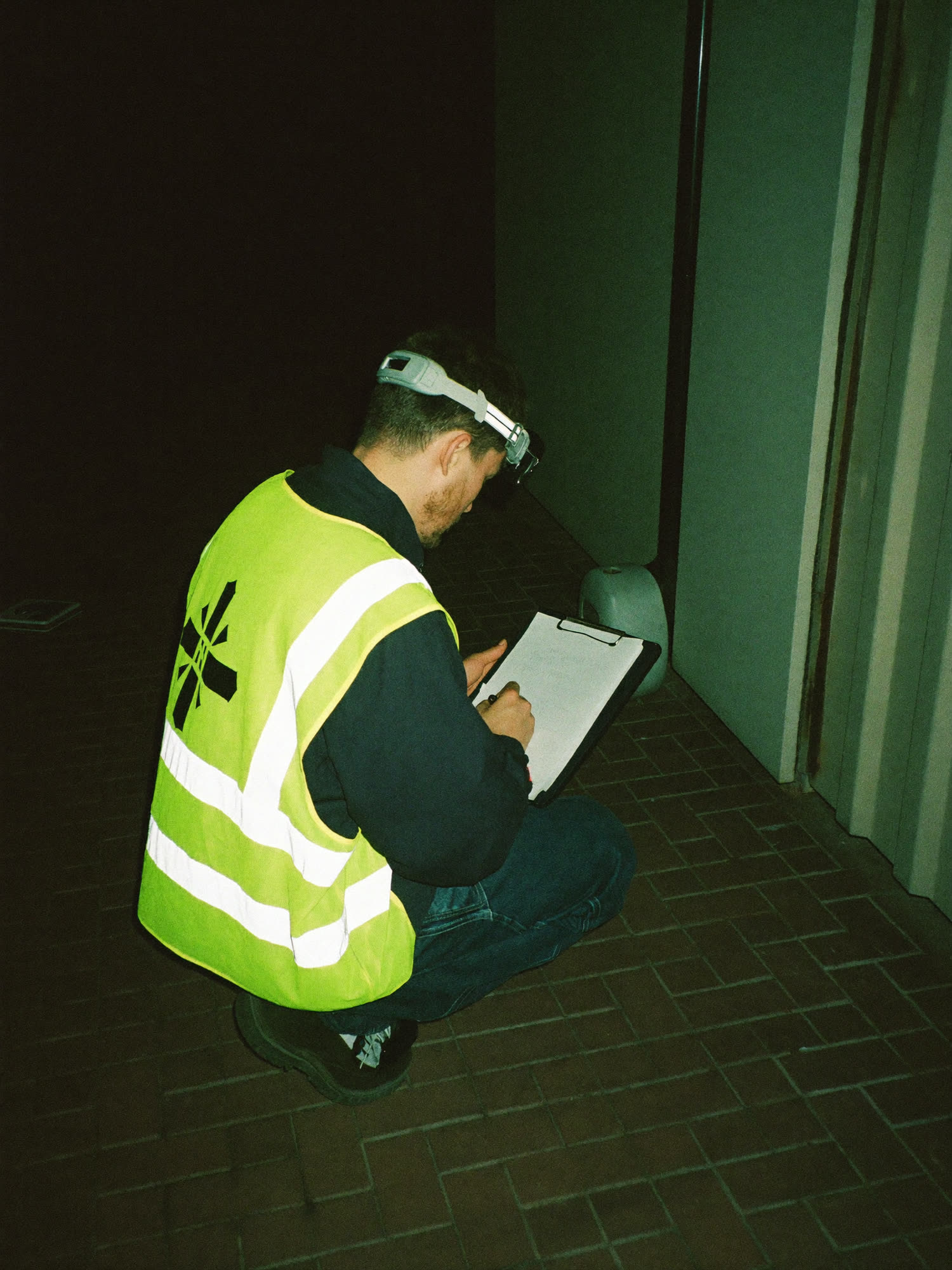
A statistician at a university that asked me not to name it ran me through why it is hard. Rats are neophobic, which means they avoid new objects, which means they avoid your traps and your cameras for the first several days and then some of them never stop avoiding them. So your sample is not rats. Your sample is the bold ones.
“You can count bold rats very accurately,” she said. “You will never know what fraction of rats are bold.”
She gave me a range anyway, because I kept asking. She said it with the specific tone of somebody who is going to be quoted saying something they don't like.
Between 800,000 and 5.2 million.
That is not a range. That is a shrug with error bars on it. But it is the most honest number anyone gave me, and she is the only person I spoke to who volunteered how she got it.
Everyone else has a number and none of them will say where it is from. A pest control operator in Queens told me eight million with total confidence and then, pressed, said “everybody knows it's eight.” A man at a community board meeting in the Bronx said two million. A woman who has been feeding pigeons on the same bench for nineteen years said “more than last year” and that is the only estimate I received that came with any evidence, because she went and got a photograph.
The photograph is from 2009. There are four rats in it. I have looked at it for longer than is reasonable.
Here is the thing that got me, in the end, and it is not about rats.
The 1909 book is a real book and the farm was a real farm and the multiplication is arithmetic that any of us could check. It was never a lie. It was a guess, published as a guess, by somebody who said so.
It only became a fact by being repeated.
NUMBERS · № 10 · Ratking
If you have a number and you know where it came from, we would genuinely like to hear from you. Box 10/C.